
Taxes

16 MIN READ
Structured Settlement Capital Gains Tax Guide
Selling structured settlement payment rights can trigger unexpected capital gains tax, even when the original payments were tax-free. Learn how the IRS classifies these transactions, what tax obligations you face, and how to calculate your potential liability before cashing out

Olivia CarmichaelLong-Term Financial Security Contributor
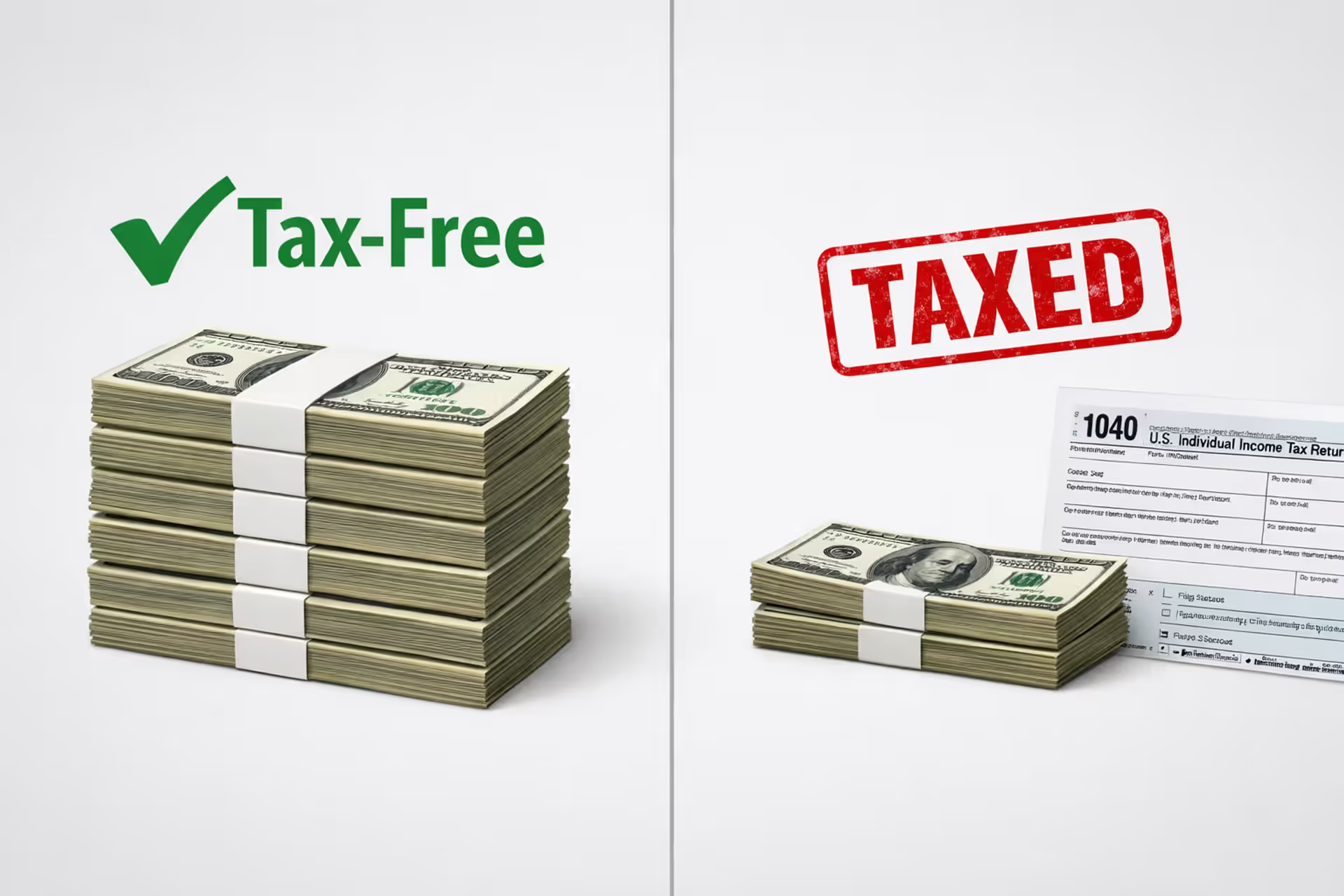
Structured Settlement Tax Implications Before SellingSelling structured settlement payments converts tax-free income into taxable income. Most sellers face ordinary income tax rates of 10-37% on the full lump sum received, with no deduction for the buyer's discount. Strategic timing and understanding reporting requirements can minimize tax liability

Structured Settlement Tax Planning GuideStructured settlements offer extraordinary tax advantages under IRC Section 104(a)(2), but most recipients never fully leverage these benefits. Learn five strategic methods to optimize your settlement tax position, avoid costly mistakes like improper beneficiary designations, and coordinate payments with retirement planning
Most read
- 1Structured Settlement Capital Gains Tax GuideOlivia Carmichael/Mar 06, 2026/16 MIN
- 2Structured Settlement Annuity Taxation Guide to Tax-Free PaymentsDanielle Morgan/Mar 05, 2026/15 MIN
- 3How to Report Structured Settlement Tax Reporting on Your IRS FilingChristopher Vaughn/Mar 06, 2026/18 MIN
- 4Structured Settlement Tax Documents to Keep for IRS ComplianceAndrew Halvorsen/Mar 06, 2026/13 MIN
- 5How to Keep Your Structured Settlement Tax Free Under IRS RulesChristopher Vaughn/Mar 06, 2026/13 MIN
- 6Are Structured Settlement Payments TaxableAndrew Halvorsen/Mar 05, 2026/14 MIN
Fresh
Structured Settlement Capital Gains Tax GuideSelling structured settlement payment rights can trigger unexpected capital gains tax, even when the original payments were tax-free. Learn how the IRS classifies these transactions, what tax obligations you face, and how to calculate your potential liability before cashing out
How to Report Structured Settlement Tax Reporting on Your IRS FilingStructured settlement tax reporting depends on your settlement type and payment structure. Physical injury settlements typically arrive tax-free, while employment and non-physical injury settlements create tax obligations. Understanding which IRS forms you need and how to report payments correctly prevents costly mistakes

Structured Settlement Tax Deductions Guide for Recipients and PayersStructured settlements offer predictable income streams, but their tax treatment remains one of the most misunderstood aspects of personal injury and liability cases. Whether you're receiving payments or making them, understanding the nuanced rules around structured settlement tax deductions can save thousands of dollars.

Structured Settlement Tax Strategies ExplainedStructured settlements can provide tax-free income for life—or cost you thousands in unnecessary taxes. Understanding IRS rules on physical versus non-physical injuries, avoiding assignment violations, and implementing settlement-specific strategies determines how much you actually keep
Top stories
Structured Settlement Tax Deductions Guide for Recipients and PayersStructured settlements offer predictable income streams, but their tax treatment remains one of the most misunderstood aspects of personal injury and liability cases. Whether you're receiving payments or making them, understanding the nuanced rules around structured settlement tax deductions can save thousands of dollars.
Most read
- 1Structured Settlement Capital Gains Tax GuideOlivia Carmichael/Mar 06, 2026/16 MIN
- 2Structured Settlement Tax Documents to Keep for IRS ComplianceAndrew Halvorsen/Mar 06, 2026/13 MIN
- 3Structured Settlement Annuity Taxation Guide to Tax-Free PaymentsDanielle Morgan/Mar 05, 2026/15 MIN
- 4How to Report Structured Settlement Tax Reporting on Your IRS FilingChristopher Vaughn/Mar 06, 2026/18 MIN
- 5Structured Settlement Tax Planning GuideOlivia Carmichael/Mar 06, 2026/22 MIN
- 6How to Keep Your Structured Settlement Tax Free Under IRS RulesChristopher Vaughn/Mar 06, 2026/13 MIN
In focus
Structured Settlement Tax Planning GuideStructured settlements offer extraordinary tax advantages under IRC Section 104(a)(2), but most recipients never fully leverage these benefits. Learn five strategic methods to optimize your settlement tax position, avoid costly mistakes like improper beneficiary designations, and coordinate payments with retirement planning
Structured Settlement Tax Planning GuideStructured settlements offer extraordinary tax advantages under IRC Section 104(a)(2), but most recipients never fully leverage these benefits. Learn five strategic methods to optimize your settlement tax position, avoid costly mistakes like improper beneficiary designations, and coordinate payments with retirement planning
Structured Settlement Tax Strategies ExplainedStructured settlements can provide tax-free income for life—or cost you thousands in unnecessary taxes. Understanding IRS rules on physical versus non-physical injuries, avoiding assignment violations, and implementing settlement-specific strategies determines how much you actually keep
Structured Settlement Tax Strategies ExplainedStructured settlements can provide tax-free income for life—or cost you thousands in unnecessary taxes. Understanding IRS rules on physical versus non-physical injuries, avoiding assignment violations, and implementing settlement-specific strategies determines how much you actually keep

Are Structured Settlement Payments TaxableMost structured settlements from physical injury cases are completely tax-free under IRC Section 104(a)(2). However, employment settlements, punitive damages, and selling your payments trigger taxation. Understanding the rules can save you thousands in taxes over the life of your settlement
Are Structured Settlement Payments TaxableMost structured settlements from physical injury cases are completely tax-free under IRC Section 104(a)(2). However, employment settlements, punitive damages, and selling your payments trigger taxation. Understanding the rules can save you thousands in taxes over the life of your settlement
Structured Settlement Tax Documents to Keep for IRS ComplianceManaging structured settlement tax documents prevents IRS headaches and protects your financial security. Understand which paperwork matters, how to organize records for compliance, and when taxable vs. non-taxable rules apply to your settlement payments
Structured Settlement Tax Documents to Keep for IRS ComplianceManaging structured settlement tax documents prevents IRS headaches and protects your financial security. Understand which paperwork matters, how to organize records for compliance, and when taxable vs. non-taxable rules apply to your settlement payments

How to Keep Your Structured Settlement Tax Free Under IRS RulesStructured settlements offer complete tax exemption under IRC Section 104(a)(2)—but only when specific IRS requirements are met. Understanding physical injury qualifications, qualified assignment rules, and constructive receipt pitfalls prevents costly mistakes that convert tax-exempt payments into taxable income
Structured Settlement Capital Gains Tax GuideSelling structured settlement payment rights can trigger unexpected capital gains tax, even when the original payments were tax-free. Learn how the IRS classifies these transactions, what tax obligations you face, and how to calculate your potential liability before cashing out
Structured Settlement Tax Implications Before SellingSelling structured settlement payments converts tax-free income into taxable income. Most sellers face ordinary income tax rates of 10-37% on the full lump sum received, with no deduction for the buyer's discount. Strategic timing and understanding reporting requirements can minimize tax liability
Structured Settlement Tax Deductions Guide for Recipients and PayersStructured settlements offer predictable income streams, but their tax treatment remains one of the most misunderstood aspects of personal injury and liability cases. Whether you're receiving payments or making them, understanding the nuanced rules around structured settlement tax deductions can save thousands of dollars.